
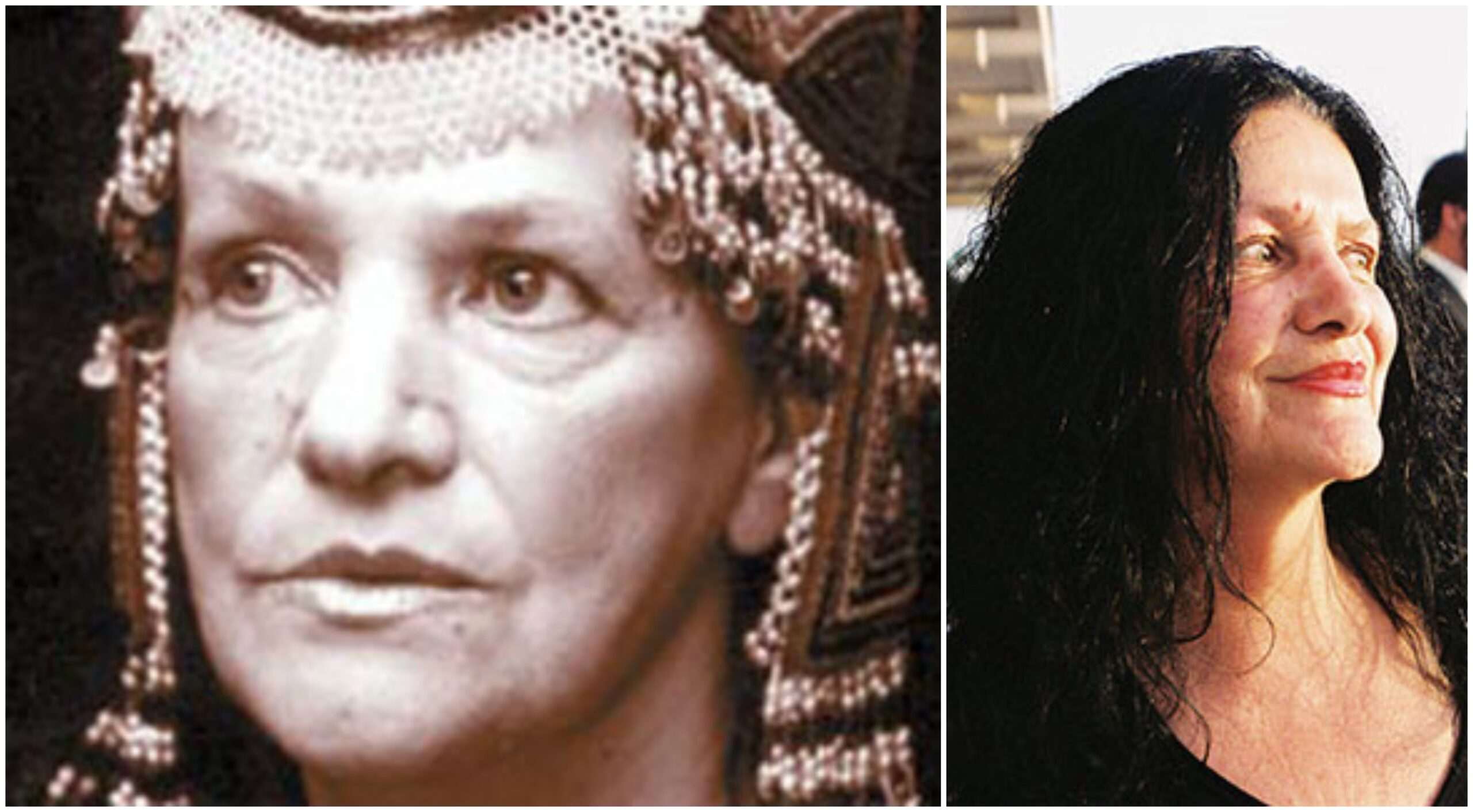
 Svetlana Hristova Jocić is one of the most recognizable names in contemporary Macedonian literature. Poet, essayist, children’s writer, journalist, editor, and cultural worker, she left deep and lasting marks in the Macedonian literary and cultural space. She was an author who did not limit herself to writing — she lived literature, created it, organized it, and defended it with her full creative and human potential.

She was born on February 27, 1941, in Resen. She spent her childhood in the Prespa region and continued her education in Bitola and Skopje. She graduated in pedagogy from the Faculty of Philosophy in 1967, after which she briefly worked as a teacher and pedagogue at the Children’s Clinic in Skopje.
From Radio Skopje to the Peaks of the Literary Scene
In 1970, she began working in the educational program of Radio Skopje, where she stayed until 1995. There, her clear, cultivated, and precise style developed, along with her love for words. Besides being an author, she became an important cultural mediator: editor, compiler, organizer of literary events and manifestations.
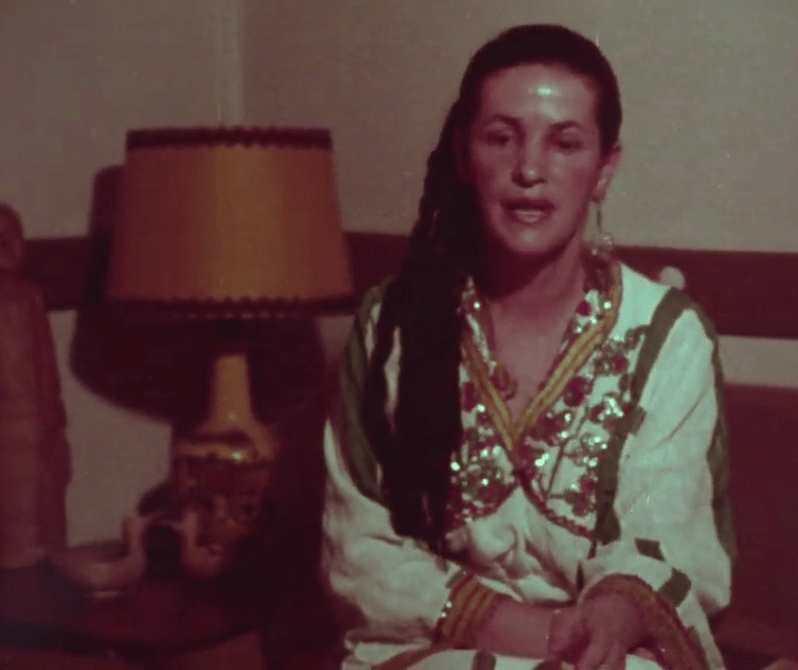 In literary circles, Svetlana Hristova Jocić became recognizable for her activity in the Macedonian Writers’ Association, where she served as both secretary and president. She founded and edited the important literary magazine “Stozher”, and later the magazine “Portal”.
Additionally, she was among the founders of the manifestation “Macedonian Spiritual Residences”, through which she connected Macedonian authors with a broader cultural space.
Rich Body of Work — Over Twenty Books and Many Readers
Svetlana Hristova Jocić’s oeuvre includes more than 20 books: poetry, prose, literary selections, children’s literature, critical texts, and essays.
Among the most significant collections are:
Kalesnica (1970)
Hidden Chest (1974)
Sinjo (1980)
Ea (1984)
Conception (1990)
Lonely Cell (1993)
Soul Chamber (1993)
S. Immortal (1996)
Great Prayer (2000)
In prose, the novel “Stroviste” (1994) stands out. In children’s literature — the collections Alka for a Swing and the story Last Battle.
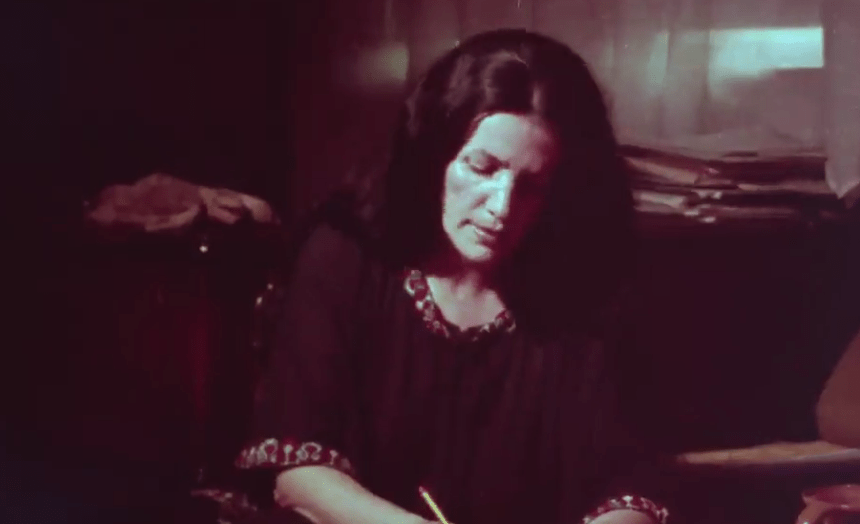 Her work is deeply lyrical, full-blooded, with strong symbolism and constant spirituality. Through it, she explored themes such as sorrow, roots, female experience, Macedonian tradition, love, pain, and silence.
A Memorable Pen and a Unique Style
Svetlana Hristova Jocić was a woman who carried her unmistakable aesthetic mark. Her style — a combination of modern expression with retro and ethnic motifs — made her unique.
Many remember her for always wearing a piece that symbolized Macedonia: an element from traditional costume, an old fabric, an amulet, jewelry, or embroidery — something that carried a story from the past. Even without words, she told the story of Macedonia through her appearance.
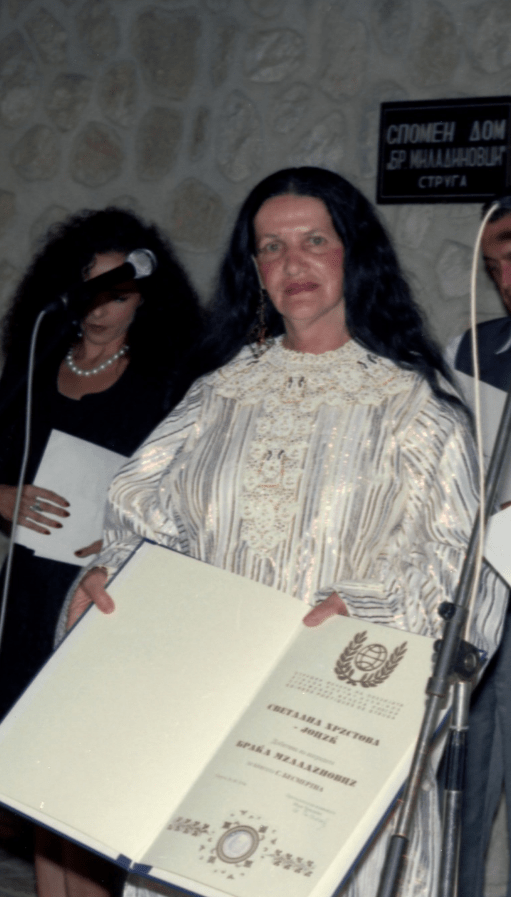 Her characteristic curly dark hair and dignified presence are part of the visual myth that remains after her.
Awards and Recognitions
For her work, she received numerous awards, including the prestigious “Brothers Miladinov” award, as well as “Dimitar Mitrev”, “Vancho Nikoleski” and other literary recognitions.
“Da ne vidam” — a Poem for the Pain of the Country
Among her most cited poems is “Da ne vidam”, in which the pain for Macedonia is expressed as a cry, a vow that the country must not be lost or erased. Her poetic voice was often both intimate and national — a combination that makes her unforgettable.
Her Last Day and Lasting Legacy
Svetlana Hristova Jocić passed away on April 27, 2012, in Skopje, leaving behind a rich literary legacy.
After her death, literary evenings and memorial events, such as the one in Struga, have been organized, testifying that her voice continues to live among literature lovers.
 A Woman Who Left Macedonia More Beautiful
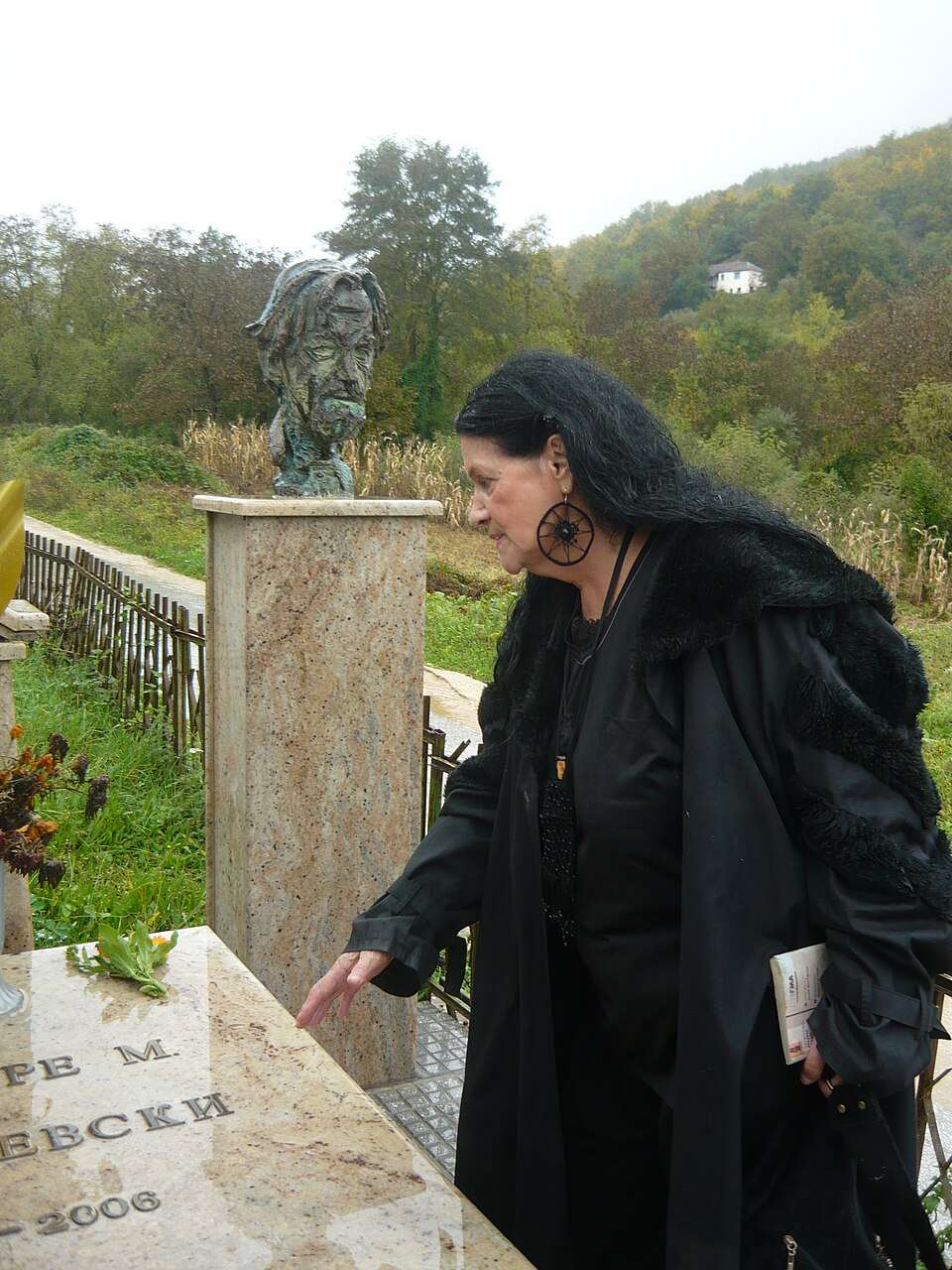 A Woman Who Left Macedonia More Beautiful
When her name is mentioned, the image of a woman who did not hide her roots appears — on the contrary, she carried them proudly, glorified them, and inscribed them. Svetlana Hristova Jocić was not just a writer; she was a symbol of Macedonian dignity.
Her ideas, her style, her color, her words — all of it remains part of the collective memory.
And so, her Macedonia — the one she carried on herself and within herself — will continue to live in her poems, her readers, and in the generations to come.