
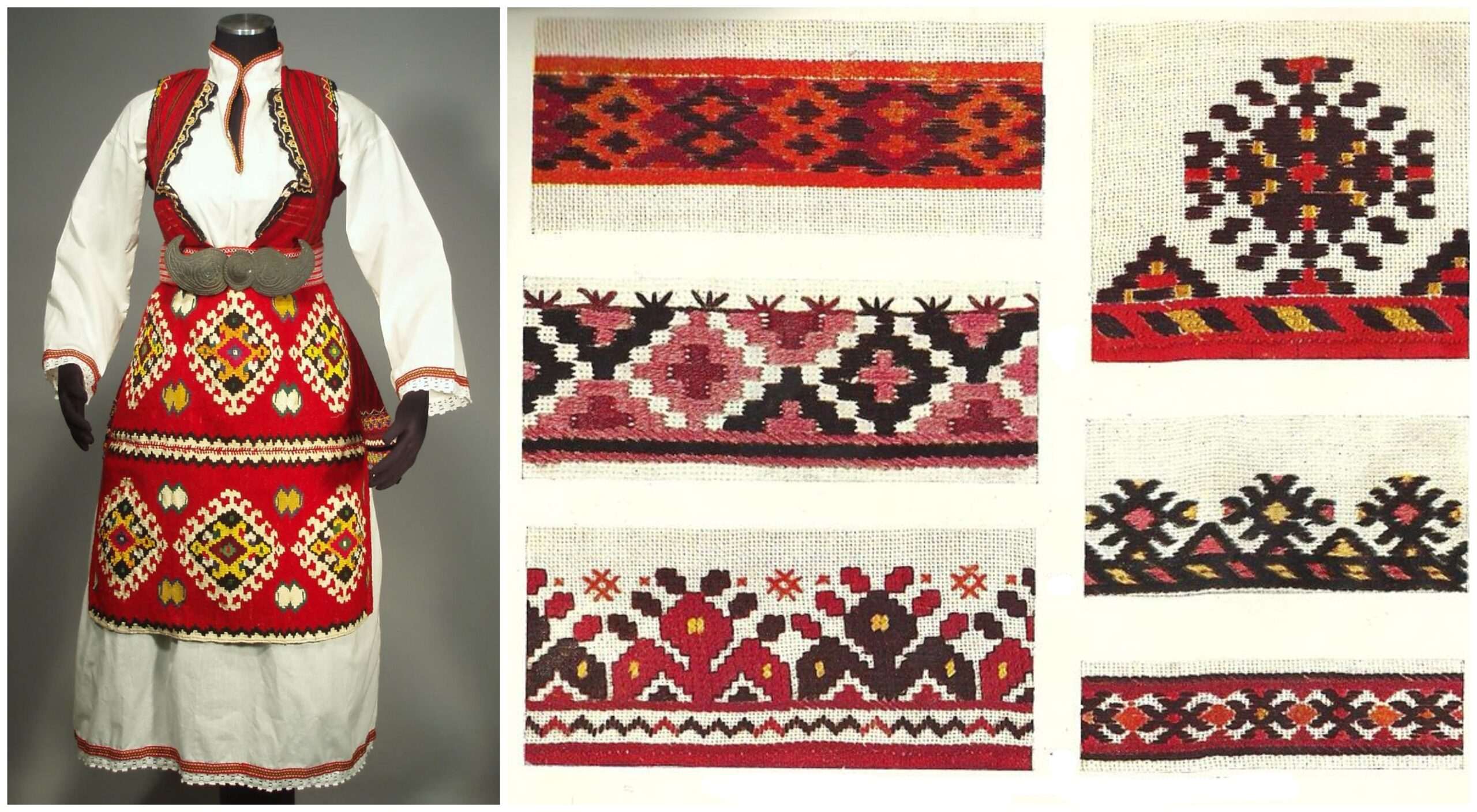
The equinox — the moment when day and night are of equal length — occurs twice a year, at the beginning of spring and at the beginning of autumn. On 21 March we mark the spring equinox, on 21 June the summer solstice, on 21 September the autumn equinox, and on 21 December the winter solstice.
Many believe that the equinox, especially the spring equinox, played a significant role in the cultural development of ancient Macedonian civilization. The beginning of spring was connected with the start of agricultural work, accompanied by offerings and rituals intended to ensure a prosperous harvest.
This natural process served as a primary inspiration for the creation of symbolism, ornamentation, and artistic expression — inscribed in the language, the script, the symbols, and within material culture: stone, wood, terracotta, earth, leather, paper, embroidery, carpets, sculptures, reliefs, and even architectural structures. All of these carried aesthetic, scientific, and cultural significance. The equinox, as a natural cycle, is considered a fundamental driving and starting point — a key moment in understanding and reconstructing our cultural heritage.
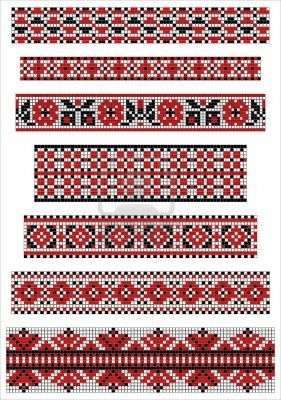
From this symbolic and natural cycle arises an essential part of our material tradition — the Macedonian folk costume. The distinctive mythical symbol — the symbol of spring, represented through “four triangles” or “four pyramids,” which together form a quadrilateral known as “AR” (composed of two or four triangles) — appears on Macedonian folk costumes, carpets, embroidery, ceramic ornaments, and various utilitarian objects. This symbol has been present from ancient times until today.
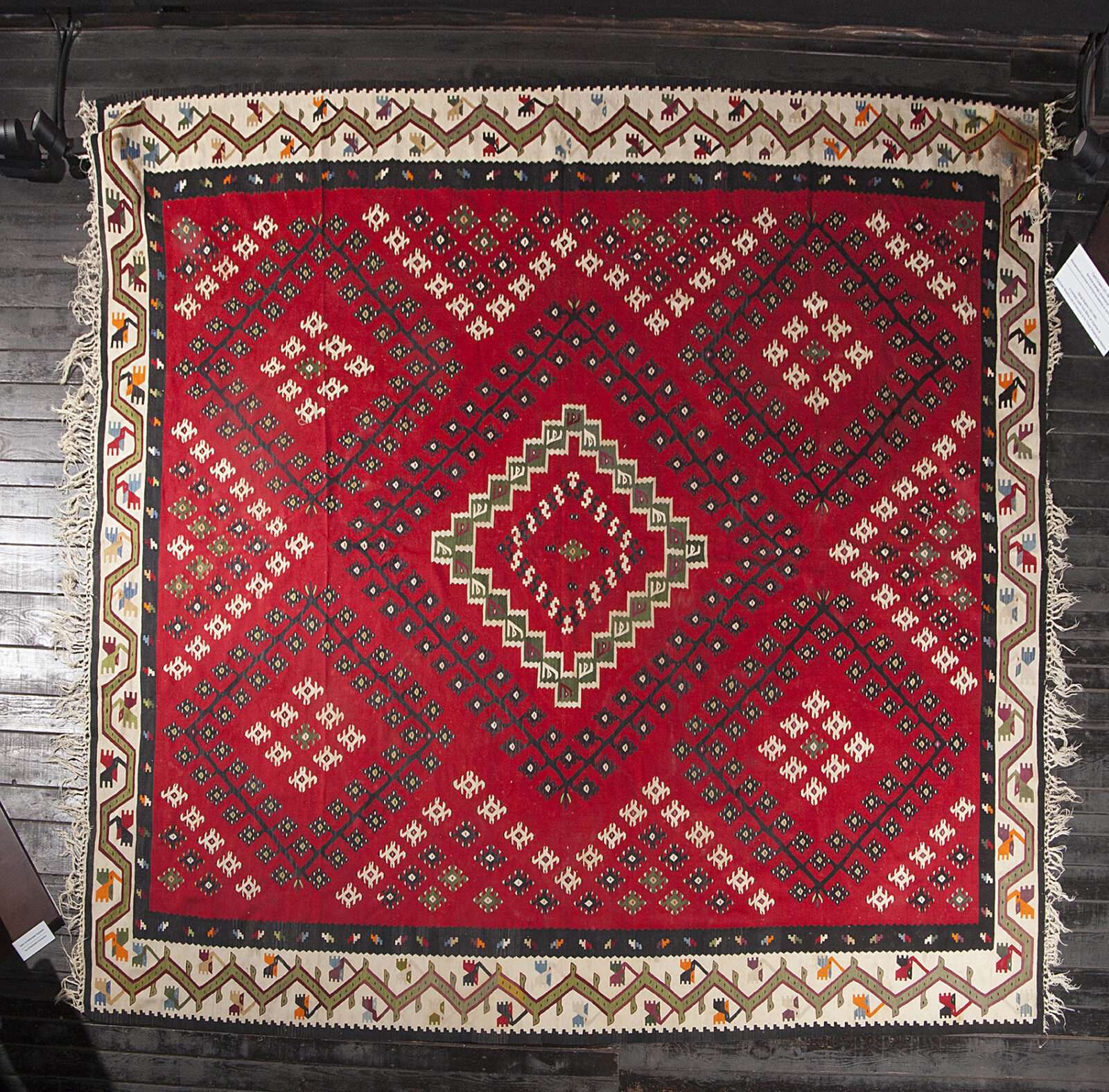 Although its exact origin cannot be determined with certainty, the symbol appears in some of the world’s oldest civilizations. However, its continuous presence in Macedonian material culture — costume, ornamentation, and tradition — serves as strong evidence of its important role in preserving the identity, aesthetics, and cultural memory of the people.
What Macedonian archives, ethnological, and museum sources say
The National Museum of Macedonia preserves one of the richest collections of Macedonian folk costumes — around 8,623 textile items, with the collection continually expanding.
Of these, 87 are complete traditional costumes, while the rest are individual garments and embroidered pieces from various regions of Macedonia, reflecting differences in materials and motifs depending on the locality.
There are records dating back to 1581 in foreign publications describing Macedonian women’s folk attire — indicating that styles similar to today’s costumes were recognizable several centuries ago.
According to one publication, Macedonian folk costume includes “rhombic motifs, ligatures, and the symbol of spring” — with the “symbol of spring” represented precisely as “four triangles or four pyramids, four seasons,” forming a quadrilateral known as “AR.”

Thus, although the exact origin of this symbol cannot be established with full historical certainty, it appears as a cultural marker spanning from the period of so-called “Zeta Macedonia” to the present. It is found on folk costumes, carpets, embroidery, ceramics, and other utilitarian objects.
Although the symbolism of the “four triangles–pyramids–AR quadrilateral” is often described as representing “spring and the four seasons,” there is no broad academic consensus in ethnological or historical research that the astronomical phenomenon of the equinox formally served as the direct basis for all such motifs.
At the same time, the fact that this symbolism has been preserved for centuries — in costumes, embroidery, carpets, and ceramics — speaks to the power of the people’s cultural intelligence to safeguard and transmit visual and symbolic messages that may have carried meaning for generations before us.
Author: Nebojsa Toleski