
 Fashion and architecture have always been two sister disciplines – different in materials, but identical in their aim: to create a form that defines the way humans live, move, and exist. On one side, architects build spaces that shape the world around us; on the other, fashion designers create “wearable architecture” around the human body.
The last decade has frequently highlighted this merging trend. As architecture becomes more expressive and fashion more conceptual, the boundaries between them increasingly blur. One of the most powerful and often-cited statements explaining this relationship comes from the famous architect Zaha Hadid, who said: “Architecture and fashion share the same idea: creating silhouettes that change perception.”
When architects dress fashion
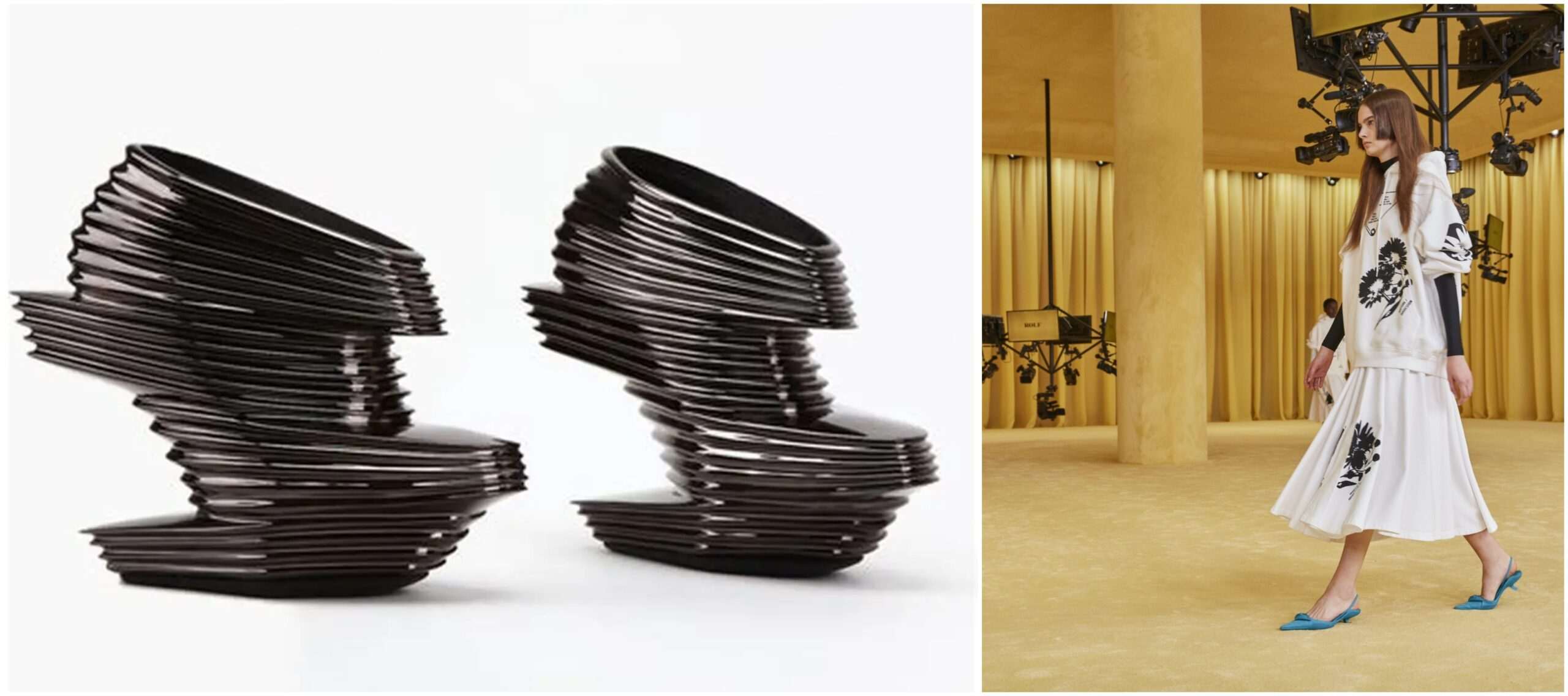
Examples of this symbiosis are numerous. Several globally renowned architects entered the fashion industry with surprising ease: Zaha Hadid designed shoes for United Nude, reminiscent of sculptures with fluid lines – typical of her architectural aesthetic. Frank Gehry, the mastermind behind the Walt Disney Concert Hall in Los Angeles and the Guggenheim Museum in Bilbao, created jewelry for Tiffany & Co., pieces resembling miniature architectural manifestos in silver. Rem Koolhaas, through his studio project OMA/AMO, collaborated with Prada on redesigning stores, fashion shows, and visual concepts that revolutionized how luxury retail is perceived today. Analyses often highlight how these creatives “translate” architectural language into fashion – from strict lines to experimental volumes.
Fashion designers as “body architects”
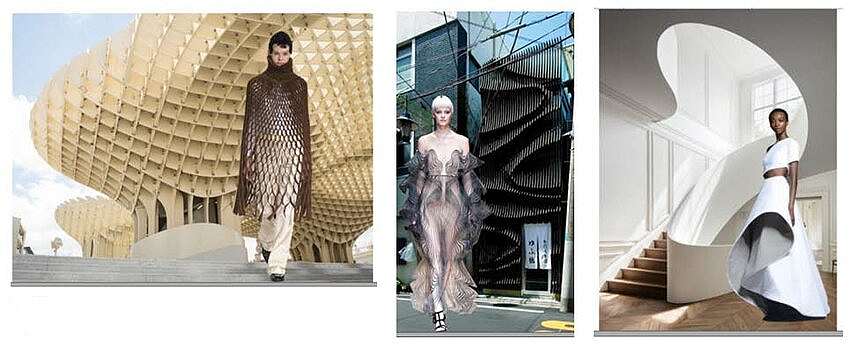
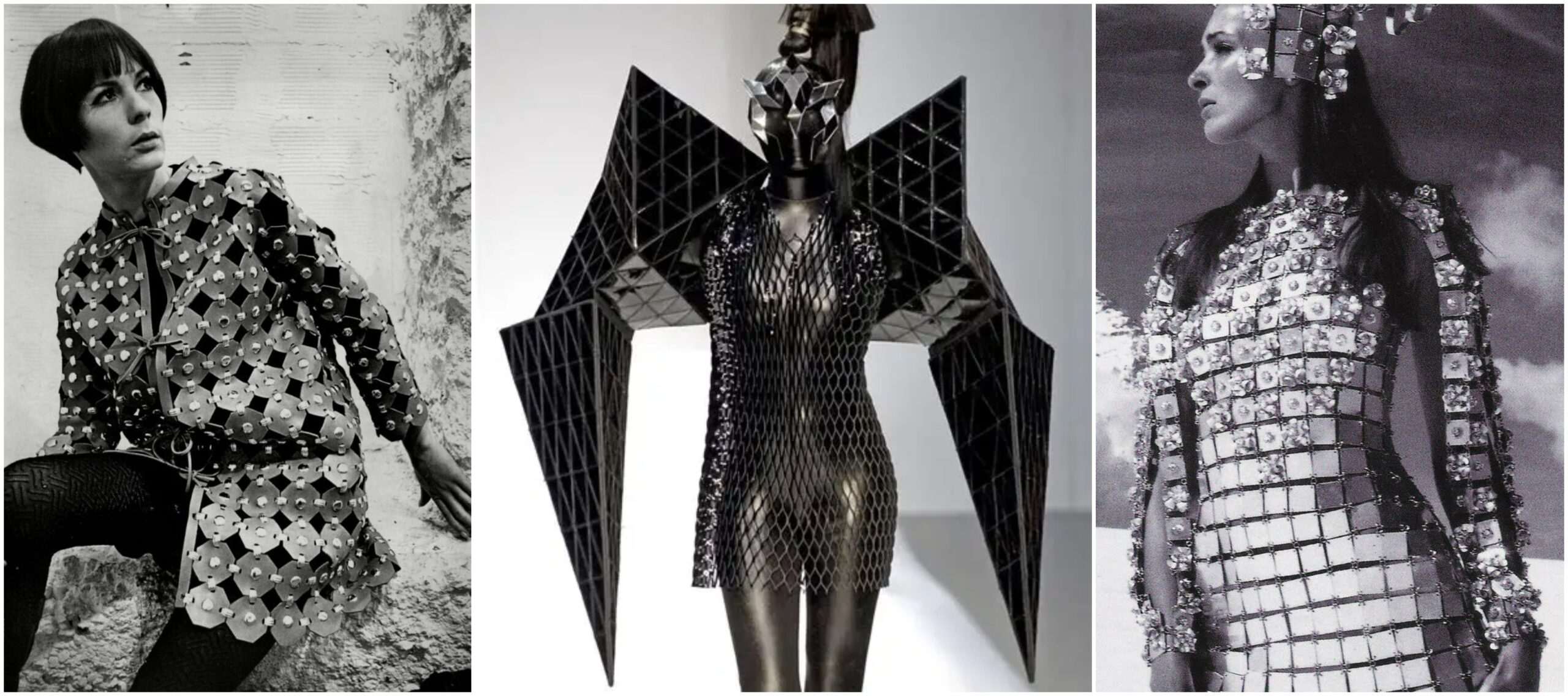
The reverse direction is equally exciting. Fashion designers have long understood that clothing is not just textile, but structure. Big names in fashion confirm this: Paco Rabanne in the 1960s created “architectural” dresses from metal plates, resembling futuristic armor. Iris van Herpen takes this idea even further today, using 3D printing to create garments reminiscent of organic architectural structures.
Hussein Chalayan often presents garments that transform – from dress to furniture, from clothing to architectural form – raising questions about the boundary between home and body. This intriguing generation of designers treats fashion as “miniature architecture,” where each piece is a space in itself, with its own rhythm, volume, and dynamics. Cathedrals of fabric and facades of texture.
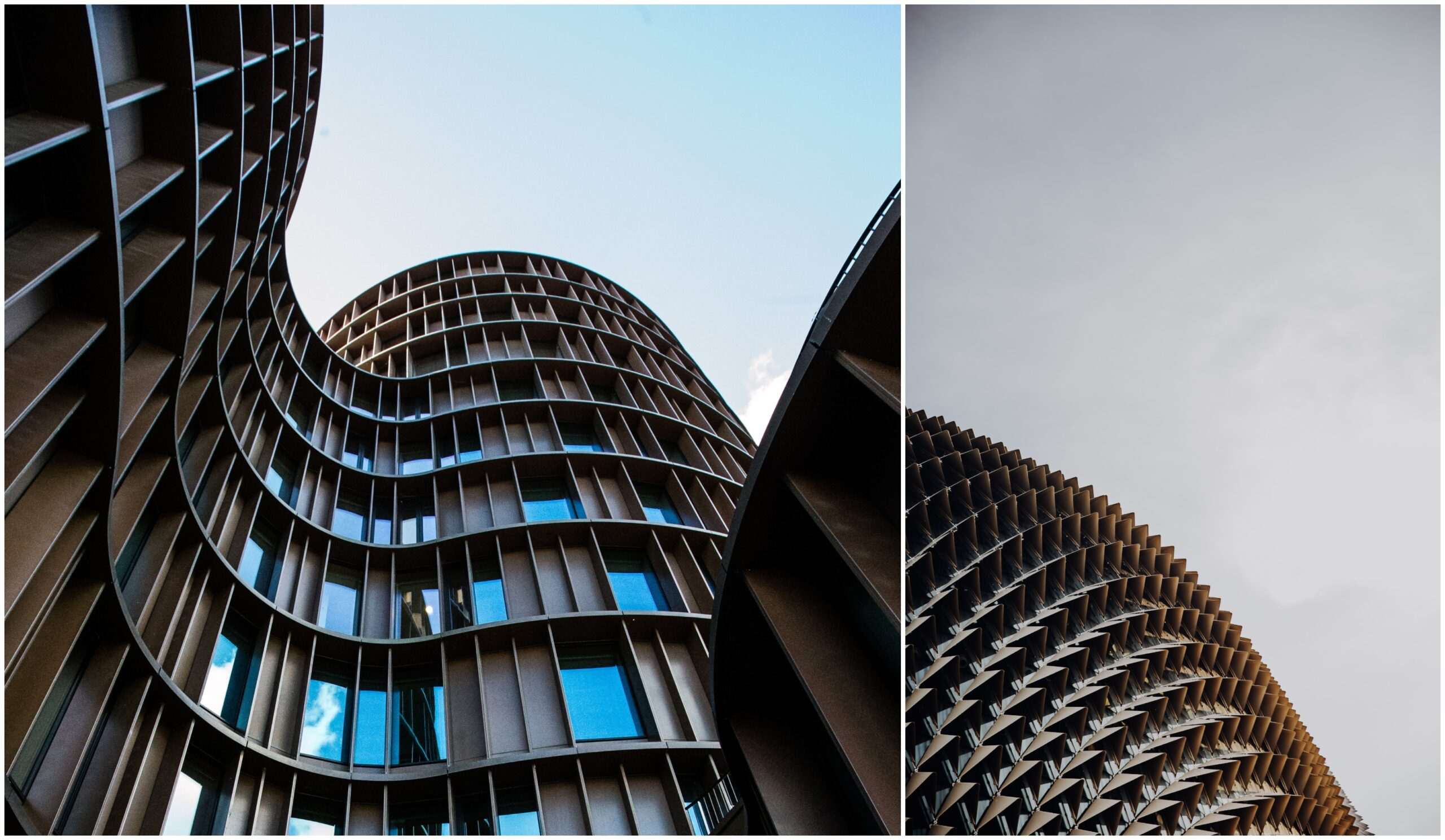
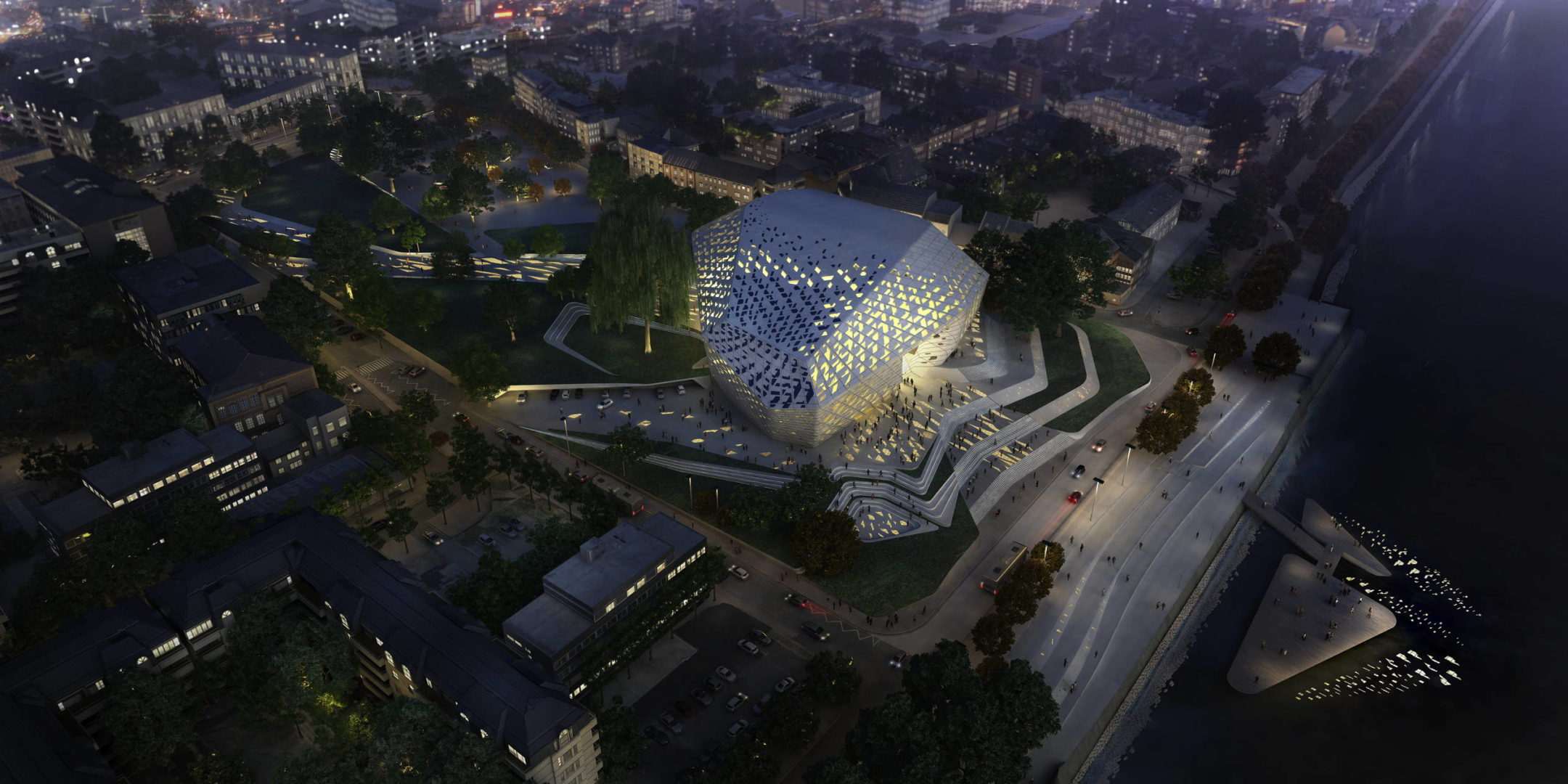 Contemporary fashion shows are increasingly staged in architecturally significant spaces. A prime example is Louis Vuitton’s spectacles in the Fondation Louis Vuitton museums, where Gehry’s architecture and fashion collaborate to create visual theater. Simultaneously, architects “borrow” fashion dynamics to create facades with textile qualities – flexible, moving, or changing form depending on the light. Numerous Architectural Digest analyses emphasize this – contemporary buildings often look like futuristic coats, and fashion collections like minimalist constructions.
Why is this fusion so powerful today?
There are several main reasons: Technology bridges the gap – 3D printing, new materials, and digital design allow fashion and architecture to use the same tools. Visual culture – in the age of Instagram and TikTok, form is power. Both fashion shows and architectural structures must “look good” on camera. Desire for uniqueness – luxury today means personalized space and style; both industries compete to offer something unprecedented.
The future is multidisciplinary, and the future of design does not lie in strictly separated disciplines, but in their interweaving. Fashion will continue borrowing materials, forms, and construction principles from architecture, while architecture will learn from fashion about dynamics, aesthetics, and personal identity. As the legendary designer Yves Saint Laurent said: “Fashion fades, style is eternal.”
Today we can add that the same principle applies to architecture. Both arts – when combined – create something that transcends trends, becoming part of humanity’s cultural memory.
The fusion of fashion and architecture in North Macedonia: the unique story of ELENA LUKA and ELENA LUKA HOME
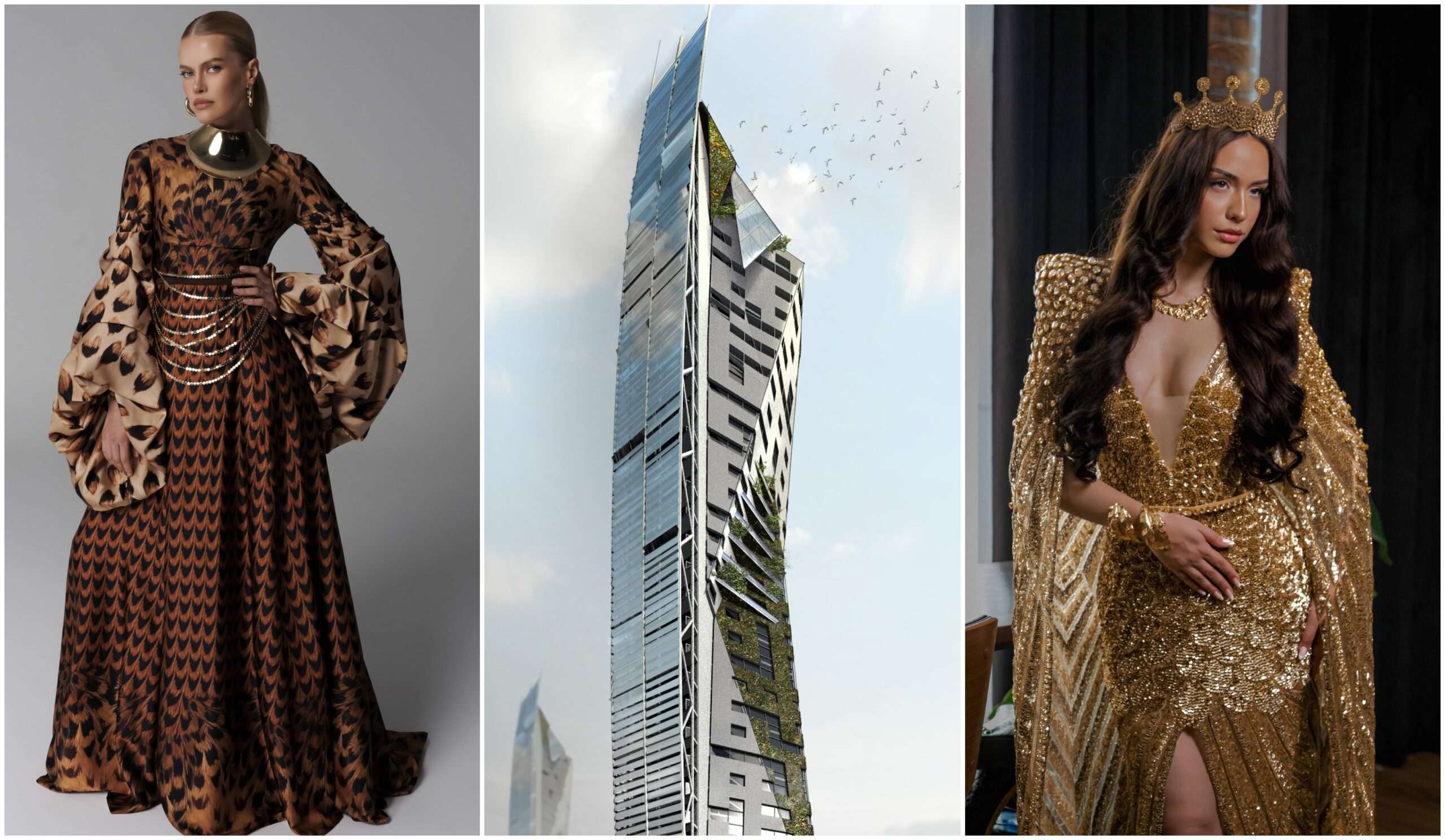
The same concept as in global trends exists in our reality, here at home. The companies ELENA LUKA and ELENA LUKA HOME in North Macedonia exemplify how fashion and architecture can merge — creating uniqueness, aesthetics, and style. One brand focuses on fashion, created in 2008 with the vision of offering avant-garde, elegant, and high-quality fashion creations. The other is a construction/design company founded from the same creative vision — led by one of the top businesswomen, Elena Pandeva, who stands behind the ELENA LUKA group.
 Through her, the fashion aesthetics of ELENA LUKA extend into interiors, architecture, and lifestyle. As their team states: ELENA LUKA is an “internationally renowned fashion brand,” while ELENA LUKA HOME carries “the same aesthetics that connect fashion and architecture.”
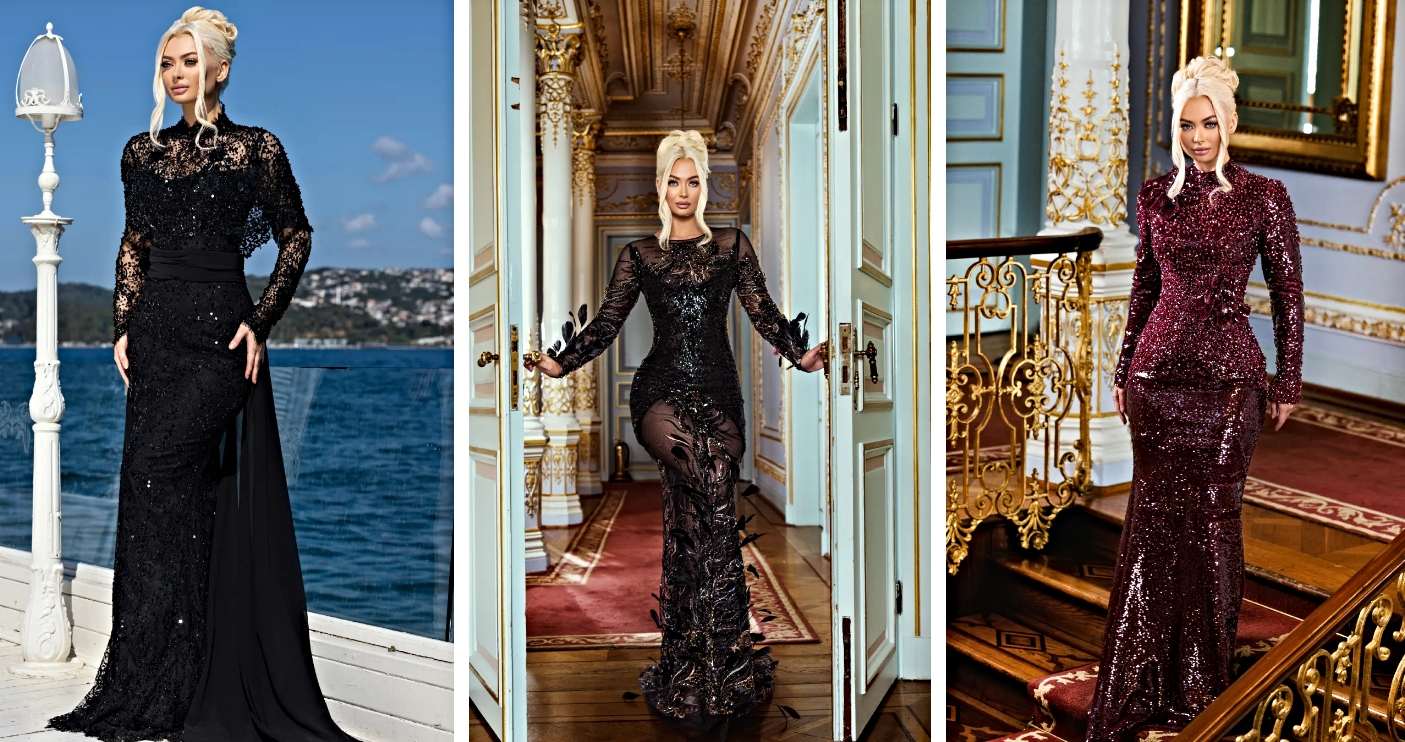
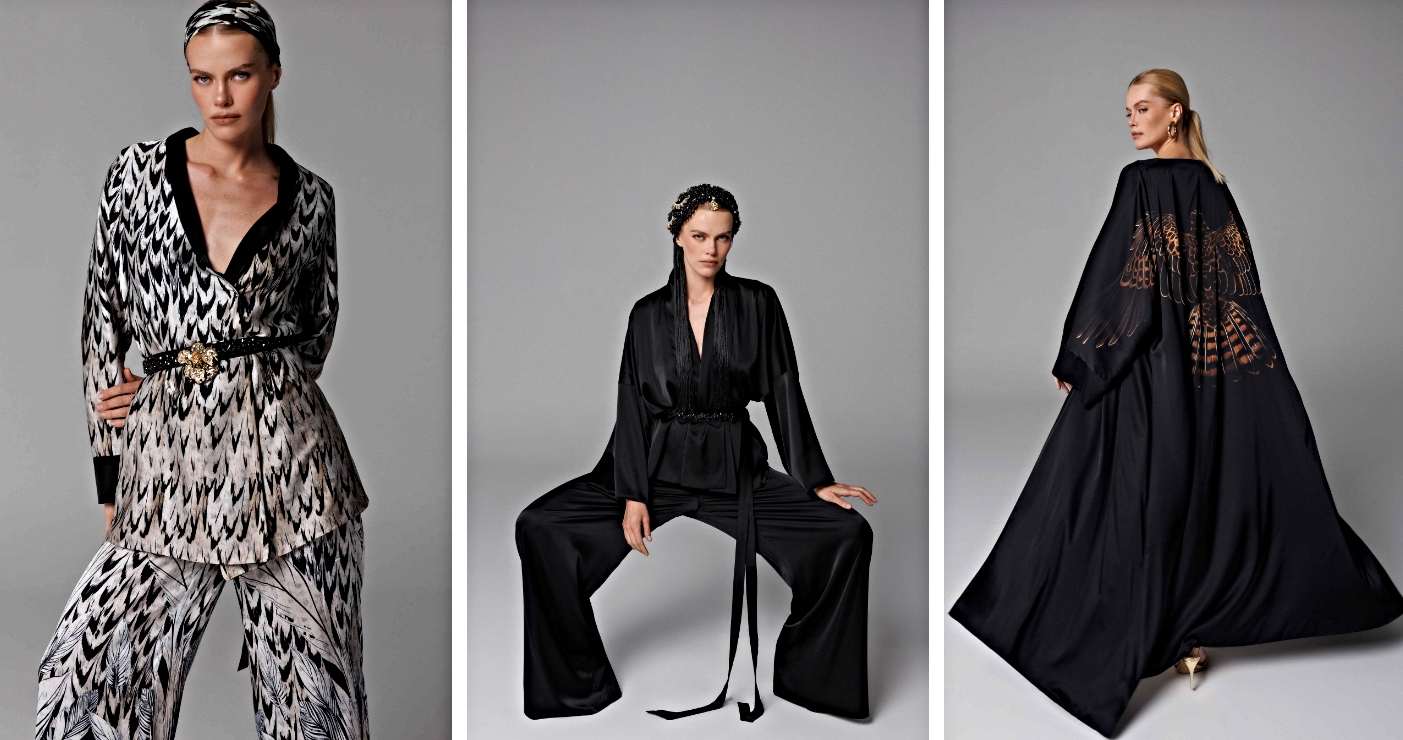 In other words: elevating the sense of style and aesthetics — which begins with garments — can also transfer to living spaces, home, and architecture. ELENA LUKA HOME strives to do exactly that: creating residential and commercial spaces that are not just “homes,” but expressions of personality, taste, and lifestyle.
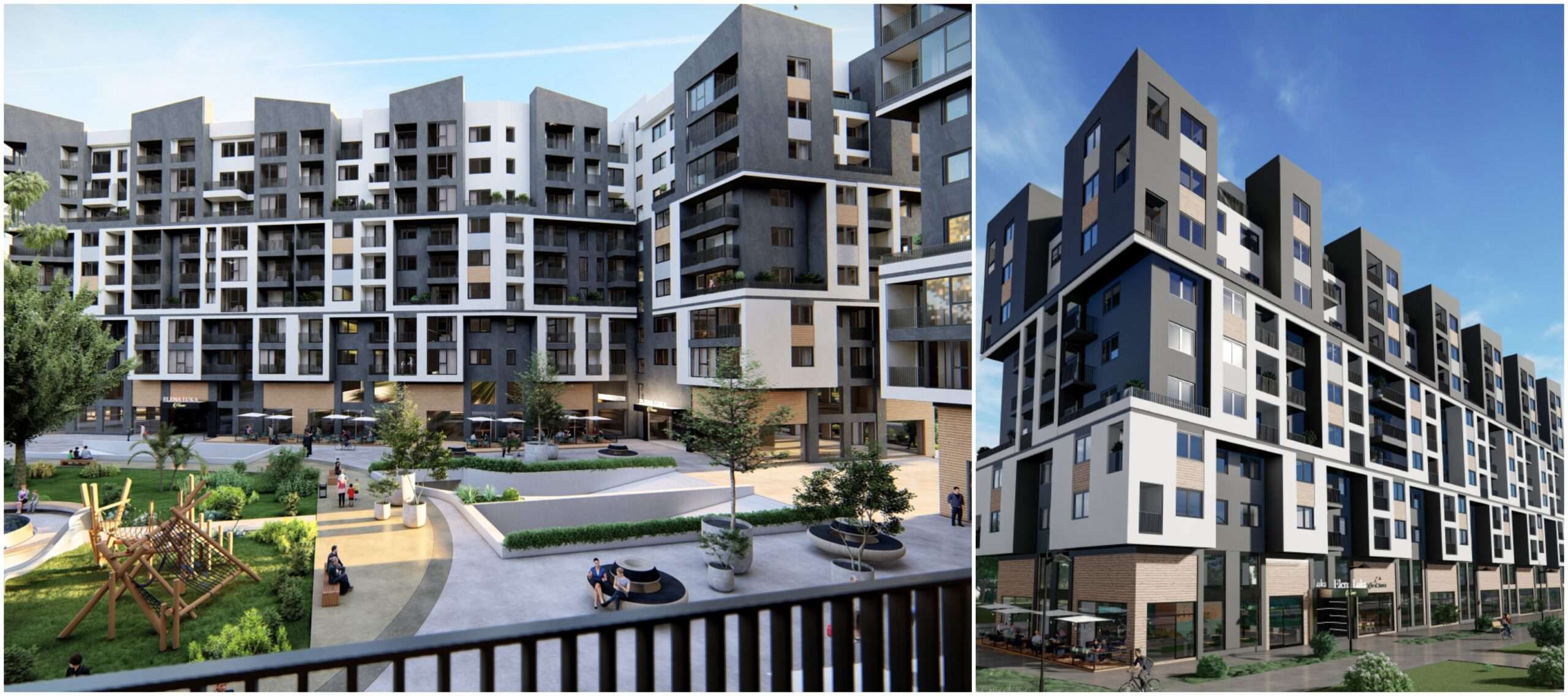 Concrete examples: from fashion to home. The residential project “FUTURA Complex” — a residential-commercial complex realized by ELENA LUKA HOME — was presented as “a new contemporary architectural signature for Skopje,” with standards matching modern living. ELENA LUKA continues to create fashion collections — ready-to-wear, bridal, and custom-made creations — focusing on unique, avant-garde, and refined design.
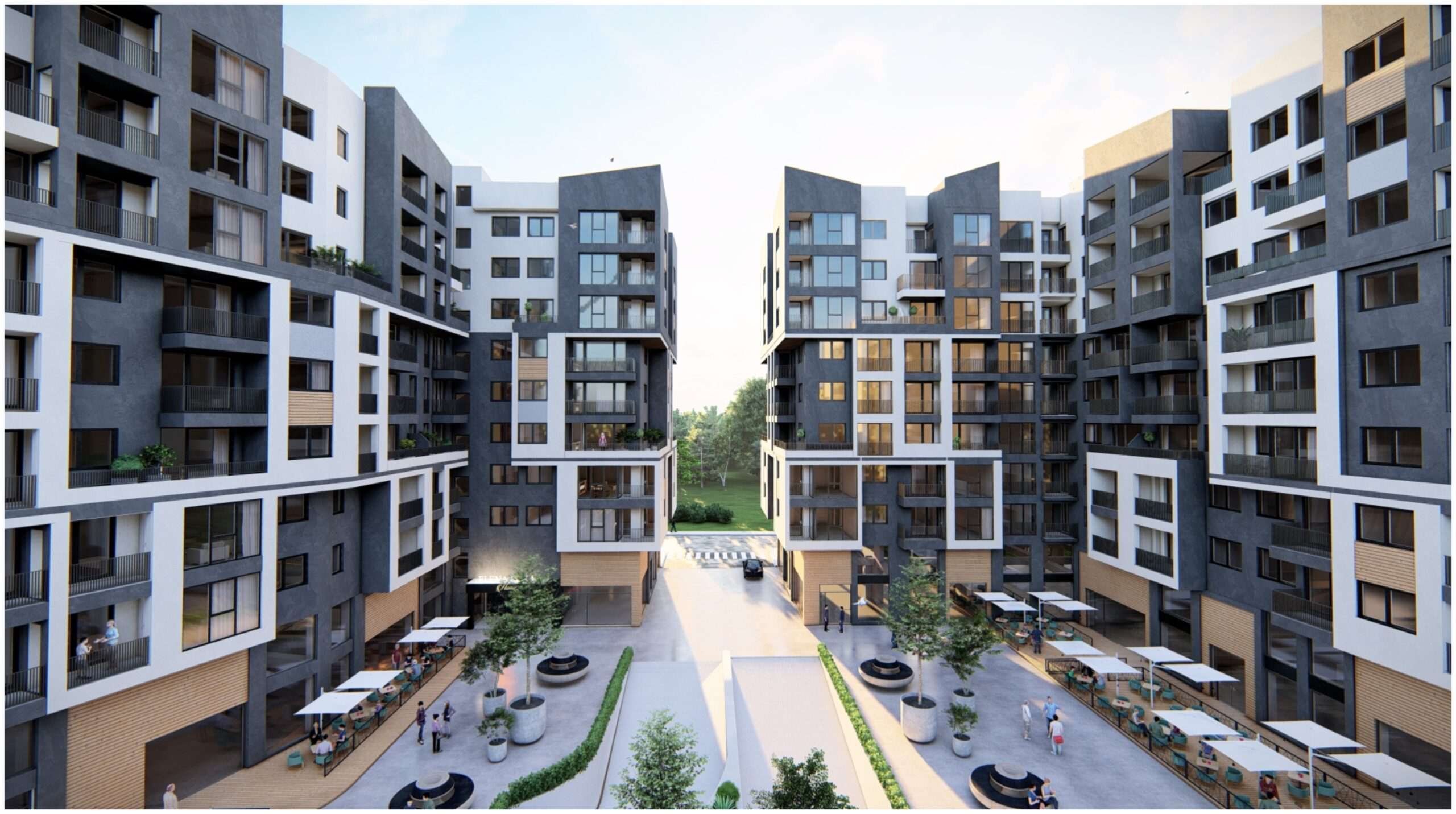 According to the concept creators themselves, their goal is clear: not just fashion or buildings, but “personal style” and “personal living space,” where every detail — clothing, interior, architecture — is deliberate and integrated.
Why does this synergy make sense in North Macedonia?
In the context of the local market, where fashion rarely goes “deeper” than seasonal trends and architecture — only to classic buildings, ELENA LUKA / ELENA LUKA HOME offer something different: integration of luxury, design, and lifestyle philosophy. This is an important step for North Macedonia to gain its own — and probably recognizable — designer-architectural style. Such examples can inspire others: designers, architects, investors — to think not only about “what sells” (clothing, apartments), but about “how it feels” when someone wears these pieces or lives in these spaces.
Author: Nebojša Toleski